Archives
- 2026-11
- 2026-10
- 2026-09
- 2026-08
- 2026-07
- 2026-06
- 2026-05
- 2026-04
- 2026-03
- 2026-02
- 2026-01
- 2025-12
- 2025-11
- 2025-10
- 2025-09
- 2025-03
- 2025-02
- 2025-01
- 2024-12
- 2024-11
- 2024-10
- 2024-09
- 2024-08
- 2024-07
- 2024-06
- 2024-05
- 2024-04
- 2024-03
- 2024-02
- 2024-01
- 2023-12
- 2023-11
- 2023-10
- 2023-09
- 2023-08
- 2023-07
- 2023-06
- 2023-05
- 2023-04
- 2023-03
- 2023-02
- 2023-01
- 2022-12
- 2022-11
- 2022-10
- 2022-09
- 2022-08
- 2022-07
- 2022-06
- 2022-05
- 2022-04
- 2022-03
- 2022-02
- 2022-01
Another important finding of our study is the observation th
2024-07-17
Another important finding of our study is the observation that high glucose per se does not affect TER in mature HREC monolayers; but at the same time it does upregulate ICAM-1 directly and activates HRECs to leukocyte adhesion. This would imply that high glucose affects TER in mature HREC monolayer
Various compounds have been designed
2024-07-17
Various compounds have been designed to inhibit aldose reductase (AR) [12]. These compounds can be classified into two main categories, the first category comprises those containing a carboxylic presto blue moiety, for example, 3-thiazolidineacetic acid derivative, which has been reported to be a po
ADA catalyzes the deamination of adenosine and deoxyadenosin
2024-07-16
ADA catalyzes the deamination of adenosine and deoxyadenosine into their respective inosine nucleoside (Cristalli et al., 2001). This conversion is an initial step in a series of reactions responsible for lymphocyte proliferation and differentiation. Moreover, ADA is considered an indicator of cellu
In an attempt to complete the overview
2024-07-16
In an attempt to complete the overview of resistance mechanisms in Spanish codling moth populations, the aims of the present work were to assess the actual occurrence of AChE and kdr mutations in codling moth field populations from different pome fruit-growing areas of Spain, concurrently with the f
Molecular docking simulations were carried out for ligands i
2024-07-16
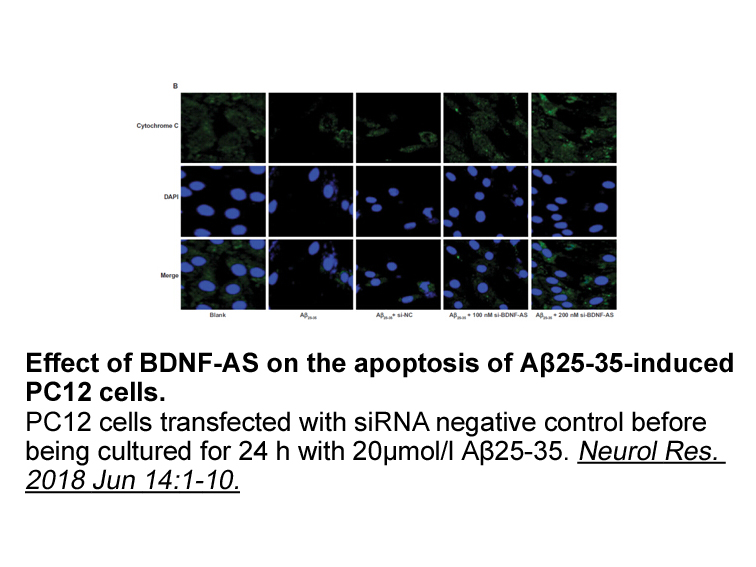
Molecular docking simulations were carried out for ligands – in the ACE crystal structure (1O86) and DPP4 crystal structure (2G5P). Comparison of the binding mode of – () with enalaprilat (a) in ACE shows that the phenethyl group (–, enalaprilat) occupies the S1 pocket and the adjacent carboxylic DC
Several tertiary prevention studies are currently underway e
2024-07-16
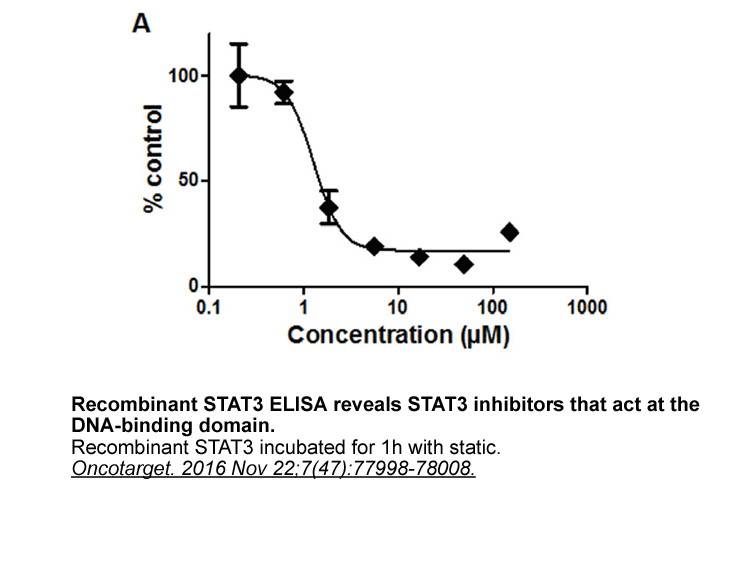
Several tertiary prevention studies are currently underway examining the use of dutasteride for prostate cancer treatment: (1) during expectant management of prostate cancer, (2) after radical prostatectomy in men at high risk for relapse, and (3) in men with metastatic disease. The Reduction by Du
Whereas more research is needed to identify the precise
2024-07-16
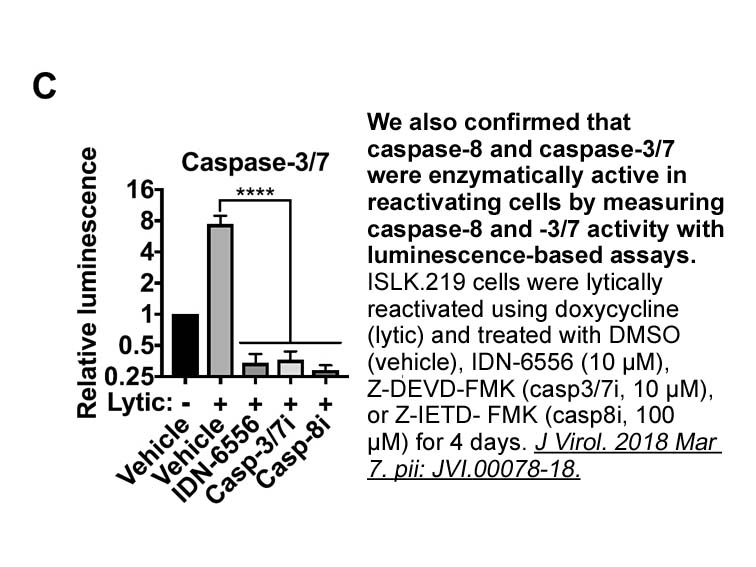
Whereas more research is needed to identify the precise mechanism by which FIN exerts its antidyskinetic effect, the cell lysate that it can negatively modulate dopaminergic transmission is also supported by our previous findings. Indeed, we have previously shown that FIN completely reversed the be
br Disclosure br Acknowledgement br Introduction CYP
2024-07-16
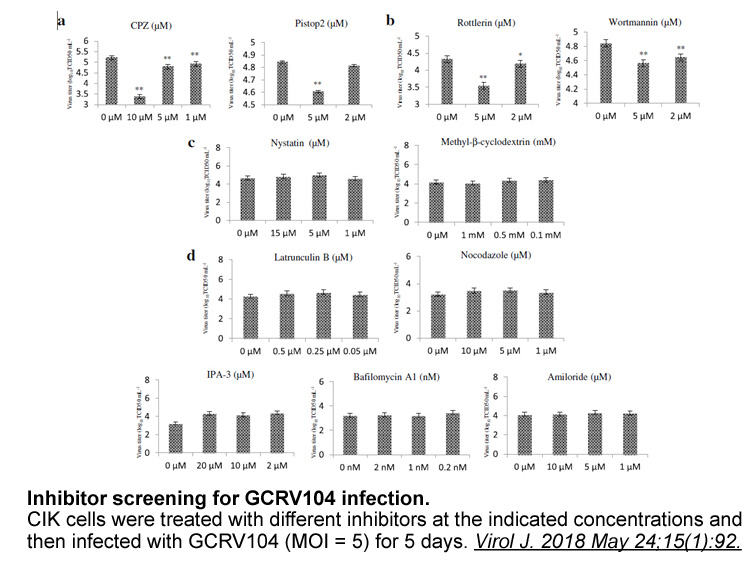
Disclosure Acknowledgement Introduction CYP17A1 is a multifunctional enzyme with both 17α-hydroxylase and 17,20-lyase activities and is essential for the biosynthesis of steroidal ABT888 in male testes and adrenal glands. The 17α-hydroxylase activity of CYP17A1 is involved in the conversio
LPA binds to six specific cell surface GPCR receptors The
2024-07-16
LPA binds to six specific cell surface GPCR receptors. The receptors LPA1 (lysophosphatidic receptor 1, formerly, Edg2), LPA2 (Edg4) and LPA3 (Edg7) belong to the endothelial differentiation gene family (EDG) and share sequence homology (50–60% amino PD 325901 receptor homology) An et al., 1997, An
br Autophagy in the central nervous system
2024-07-16
Autophagy in the central nervous system The autophagic process appears to be very important for the cells of the central nervous system, as it allows to maintain the functional integrity of the nervous tissue. Indeed macroautophagy is involved in the regulation of homeostasis of the CNS, playing
br The Molecular Machinery of Autophagy and Regulation by
2024-07-16
The Molecular Machinery of Autophagy and Regulation by Sphingolipids Sphingolipid-Mediated Autophagy in Cancer: Dr. Jekyll and Mr. Hyde Autophagy is an evolutionarily conserved stress response that typically promotes survival and antagonizes apoptosis. However, excessive autophagy was found to
An alternative more rarely used electron microscopy
2024-07-16
An alternative, more rarely used, electron microscopy-based approach exploits labeling of phagosomes with DAMP (3-(2,4-dinitroanilino)-30-amino-N-methyldipropylamine). DAMP is a weakly basic compound which is membrane-impermeable once it has been protonated. This way, DAMPH+ accumulates in acidic in
br Results br Discussion br Conclusion The flux of
2024-07-16
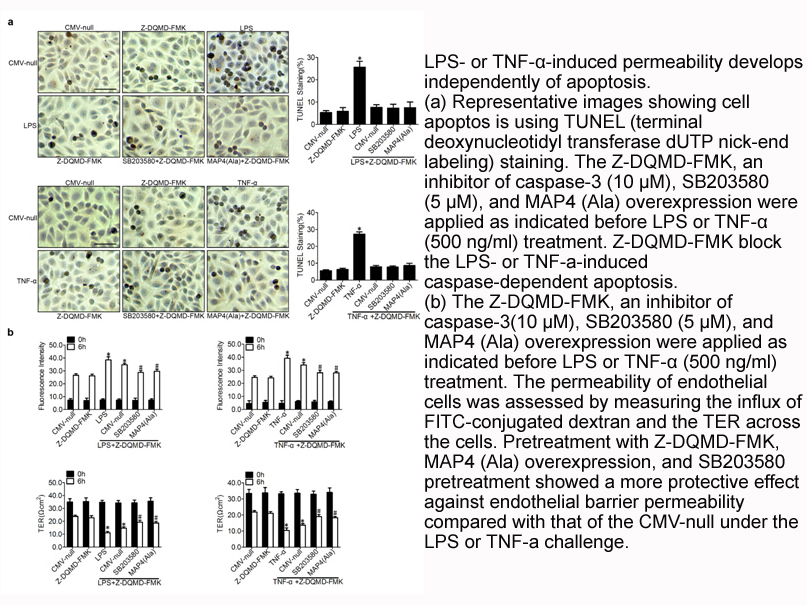
Results Discussion Conclusion The flux of glucose into cytosolic short chain acyl-CoAs was maintained in pure beta Epigenetics Compound Library in the presence of inhibition of ATP citrate lyase with hydroxycitrate and also in a cell line with >90% ATP citrate lyase knockdown suggesting tha
br Conclusions In summary aromatase mRNA expression in the
2024-07-16
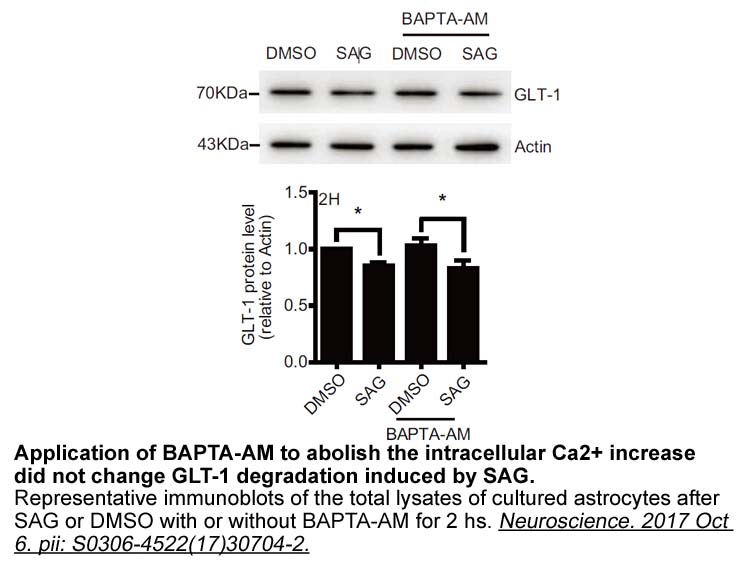
Conclusions In summary, aromatase mRNA expression in the GSK-2118436 receptor of A. leptorhynchus shows a similar distribution pattern as seen in other teleosts with expression detected in the forebrain and the pituitary gland. The lack of aromatase mRNA expression in the midbrain and hindbrain
In our approach using BRET and FRET there is
2024-07-16
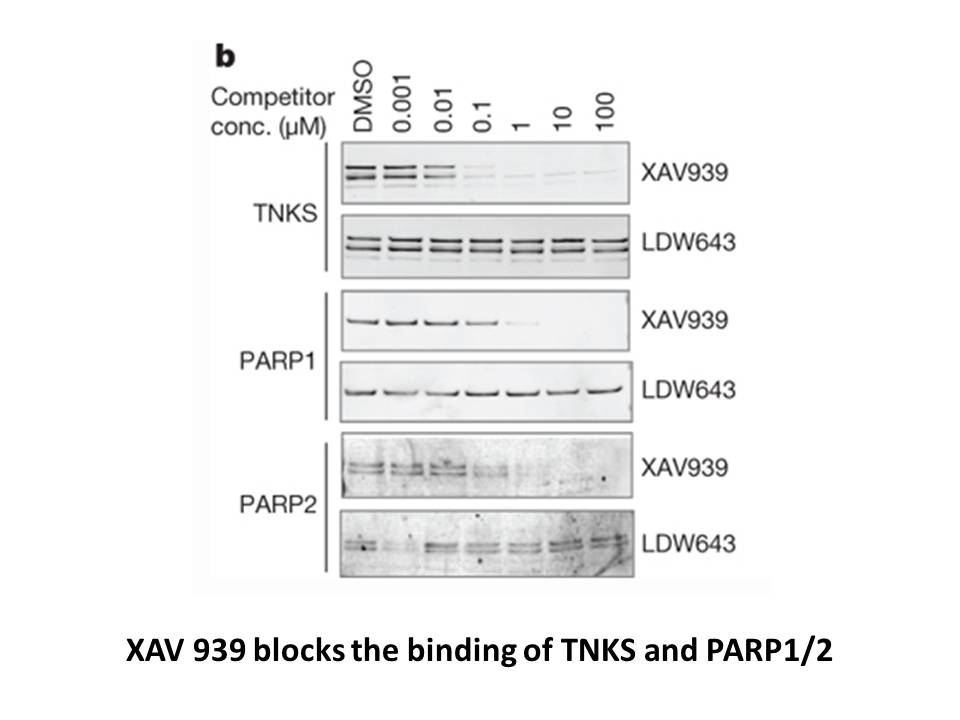
In our approach using BRET and FRET, there is a substantial increase in BRET and FRET signals between Giα2 or Giα3-YFP and CFP- Gγ2/Rluc-Gγ2 upon apelin-13 activation, indicating that Gαi2, Gαi3 and N-terminus of Gβ1γ2 subunits become closer without subunit dissociation. In contrast, both the FRET a
8647 records 154/577 page Previous Next First page 上5页 151152153154155 下5页 Last page