Archives
- 2026-09
- 2026-08
- 2026-07
- 2026-06
- 2026-05
- 2026-04
- 2026-03
- 2026-02
- 2026-01
- 2025-12
- 2025-11
- 2025-10
- 2025-09
- 2025-03
- 2025-02
- 2025-01
- 2024-12
- 2024-11
- 2024-10
- 2024-09
- 2024-08
- 2024-07
- 2024-06
- 2024-05
- 2024-04
- 2024-03
- 2024-02
- 2024-01
- 2023-12
- 2023-11
- 2023-10
- 2023-09
- 2023-08
- 2023-07
- 2023-06
- 2023-05
- 2023-04
- 2023-03
- 2023-02
- 2023-01
- 2022-12
- 2022-11
- 2022-10
- 2022-09
- 2022-08
- 2022-07
- 2022-06
- 2022-05
- 2022-04
- 2022-03
- 2022-02
- 2022-01
-
Whereas accurate measurement of glucagon in humans has been
2022-07-07
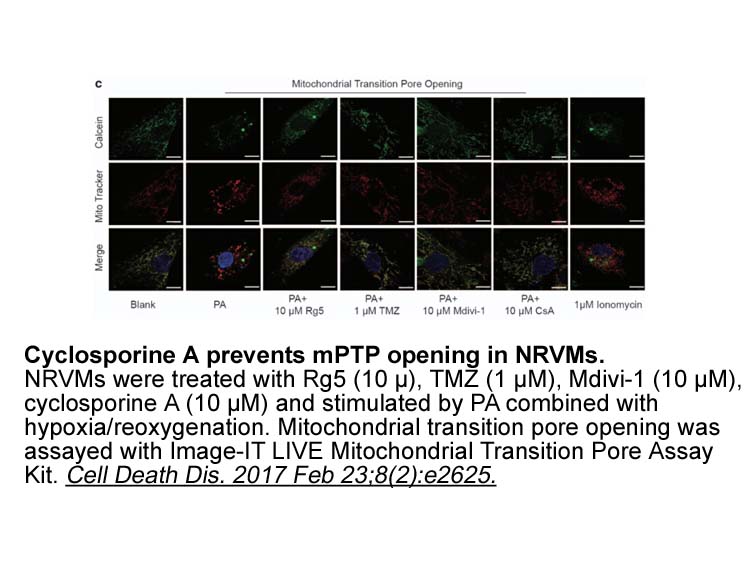
Whereas accurate measurement of glucagon in humans has been possible since the early 1950s proper measurements in rodents, have not. That said, plasma concentrations of glucagon have been reported in rodent studies [21] using C-terminal specific methods but what has been lacking is the secretory dyn
-
This excellent tolerability is especially interesting in the
2022-07-07
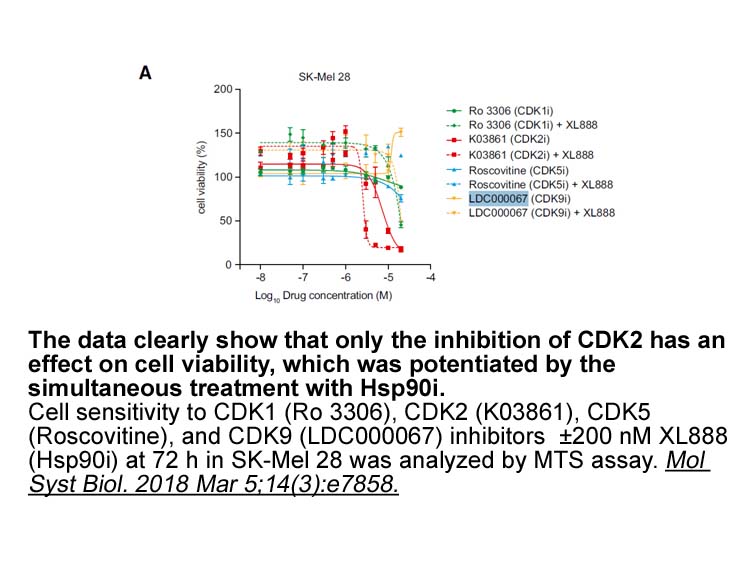
This excellent tolerability is especially interesting in the light of the fact that intravenous administration of liposomal ponatinib was predicted to yield much higher plasma concentrations as compared to the orally administered free drug. In addition, liposomal drug dose in absolute numbers was te
-
br Introduction Fructose bisphosphatase FBPase EC catalyses
2022-07-07
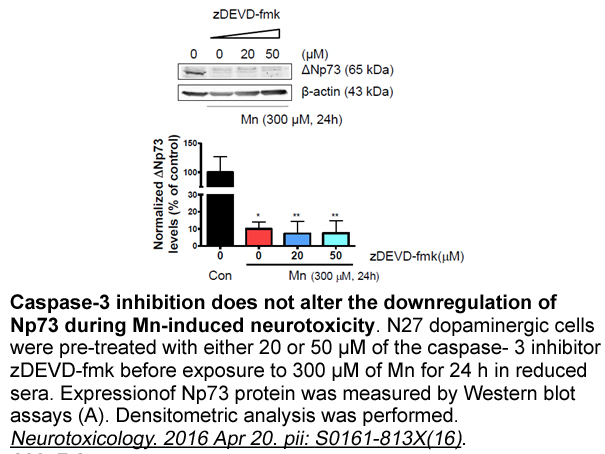
Introduction Fructose 1,6-bisphosphatase (FBPase; EC 3.1.3.11) catalyses the irreversible reaction of hydrolysis of fructose 1,6-bisphosphate to fructose 6-phosphate and inorganic phosphate [1]. Genetic and kinetic studies so far have demonstrated that at least two distinct isoenzymes of FBPase e
-
Cy3 hydrazide Introduction Terpenoids also known as isopreno
2022-07-07
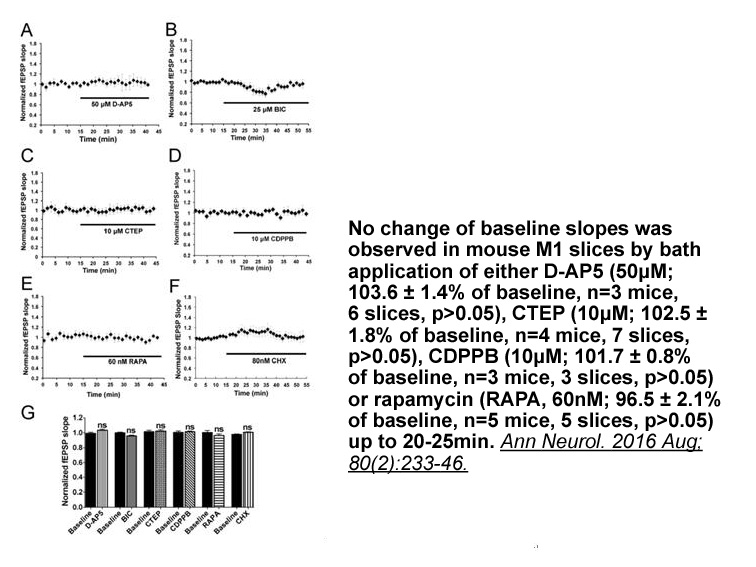
Introduction Terpenoids, also known as isoprenoids, constitute a large family of natural products comprising at least 22,000 compounds and play diverse and important roles in plants as hormones, phytosynthetic pigments, and electron carriers [1], [2]. In addition, volatilized terpenoids contribute
-
The above inferences concluded that
2022-07-06
The above inferences concluded that histidine is enhancing the overall stability and rigidity of the protein which further might be restraining the protein during the transition from inactive to active state and vice-versa present in the SANT domain. Since the SANT domain binds with histone via elec
-
Aberrant activity of PRC as a
2022-07-06
Aberrant activity of PRC2 as a result of over expressed EZH2, has been frequently seen in a wide range of human cancers including breast and prostate tumors [10]. However, leukemia-associated epigenetic aberrations are not fully understood [7]. Herein, we will overview the current knowledge of epige
-
Obesity is one of the worldwide
2022-07-06
Obesity is one of the worldwide concerns, with high prevalence and adverse effects on human health and life expectancy. According to the World Health Organization (WHO), obesity is defined as abnormal or excessive fat accumulation in the body with body mass index (BMI) of 30 or more. Obesity increas
-
Over recent decades there were three breakthroughs of
2022-07-06
Over recent decades, there were three breakthroughs of high intensity heavy-ion acceleration [6]. The first is the invention of radio frequency quadrupole (RFQ) type accelerator, which could accelerate more than dozens of milli-ampere ion beams and is a good solution to space-charge-effect of heavy-
-
Despite efforts over the past decade
2022-07-06
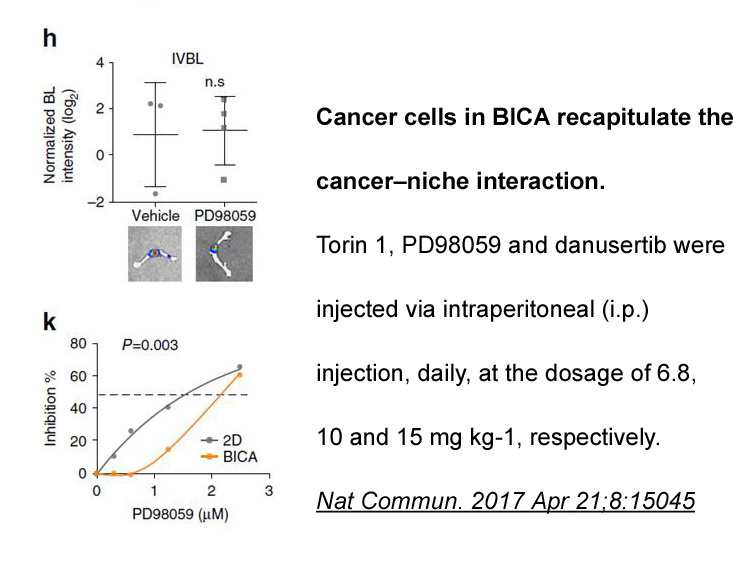
Despite efforts over the past decade to shed light on the endosomal maturation process and its underlying Rab conversion, the context in which all the involved protein components interact needs to be further elucidated. After defining single components and modules of the machinery important for endo
-
Interestingly the rabbit cornea exhibited a more than two
2022-07-06
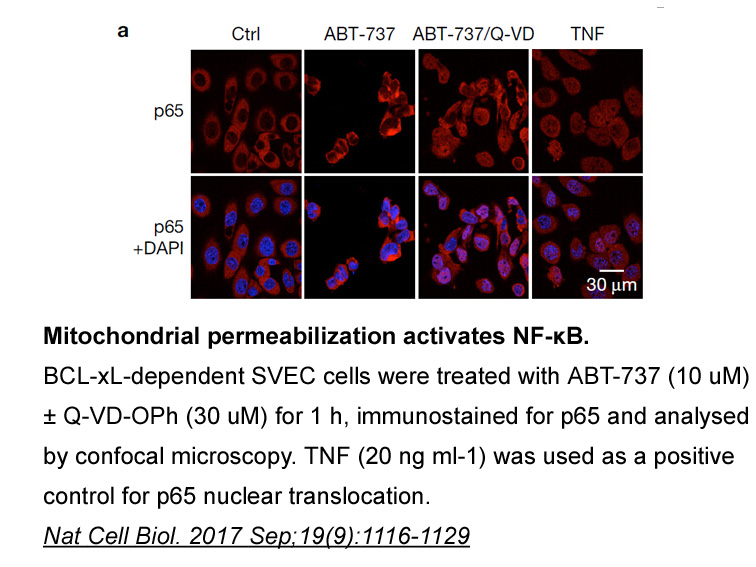
Interestingly, the rabbit cornea exhibited a more than two-fold higher level of total GST activity compared with that of the porcine cornea, whereas their levels of GSTO1‐1 and GSTP1‐1 activity were similar (Fig. 4). Because members of the GST Alpha, Mu, Pi and Omega TNF-alpha, recombinant human pro
-
br GSK The GSK family is highly conserved throughout
2022-07-06
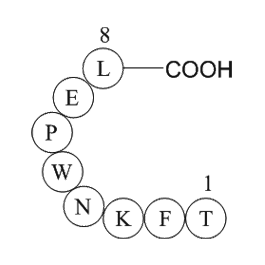
GSK-3 The GSK-3 family is highly conserved throughout evolution and is encoded by two genes, GSK-3α and GSK-3β, which are located in chromosomes 19q13.2 and 3q13.3 in human, respectively. Both GSK-3α and GSK-3β proteins exist in a variety of tissues with the highest levels found in angiotensin ii
-
No compounds in this series showed any appreciable activity
2022-07-06
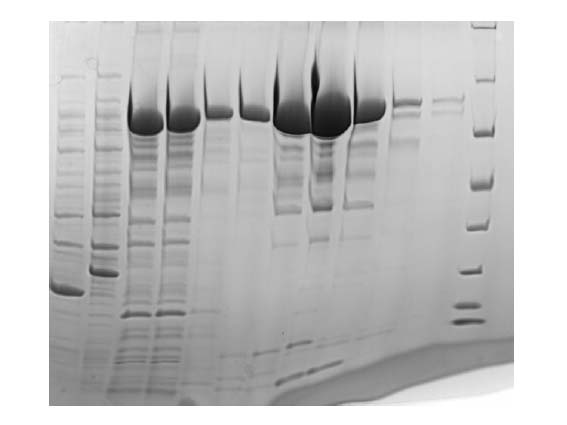
No compounds in this series showed any appreciable activity at GlyT2 and can thus be considered GlyT1-selective. For the GlyT2 IC was >20μM. To determine CNS penetration of -(2-(azepan-1-yl)-2-phenylethyl)-benzenesulfonamides, select compounds were evaluated in a cassette CNS exposure screen in mal
-
br Experimental procedures br Results br Discussion Although
2022-07-06
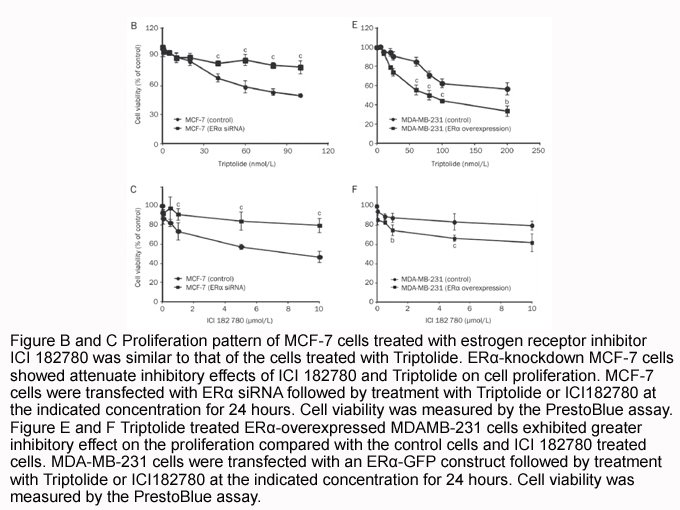
Experimental procedures Results Discussion Although the presence and localization of the GlyR subunits have been determined in the adult retina, the proportion of each GlyR subunit has not been assessed in the adult or in the developing retina. In the present study, we carried out the absol
-
br Vesicular glutamate transporters VGLUTs br
2022-07-06
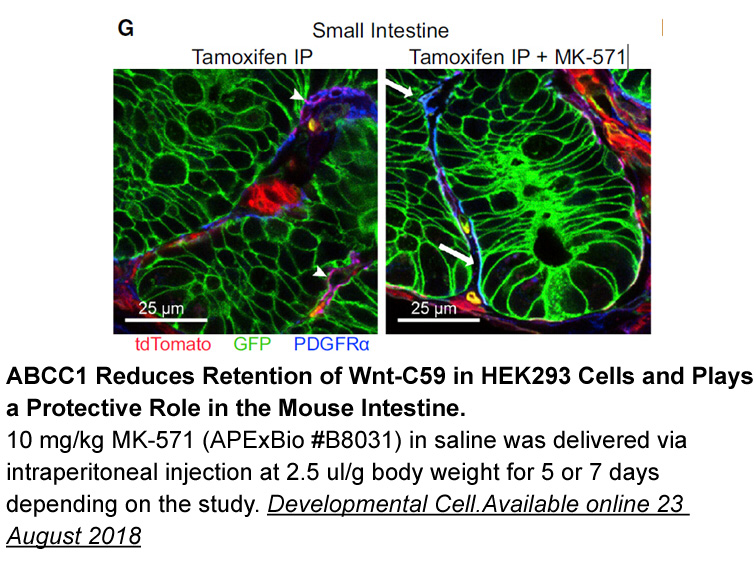
Vesicular glutamate transporters (VGLUTs) Conclusions Due to the molecular cloning of EAAT and VGLUT subtypes, a better understanding of the functional properties of these carriers has been elucidated over the last few years. In the case of the EAATs, specific blockers, such as trans-2,4-PDC,
-
br Acknowledgments br Introduction Postmenopausal osteoporos
2022-07-06
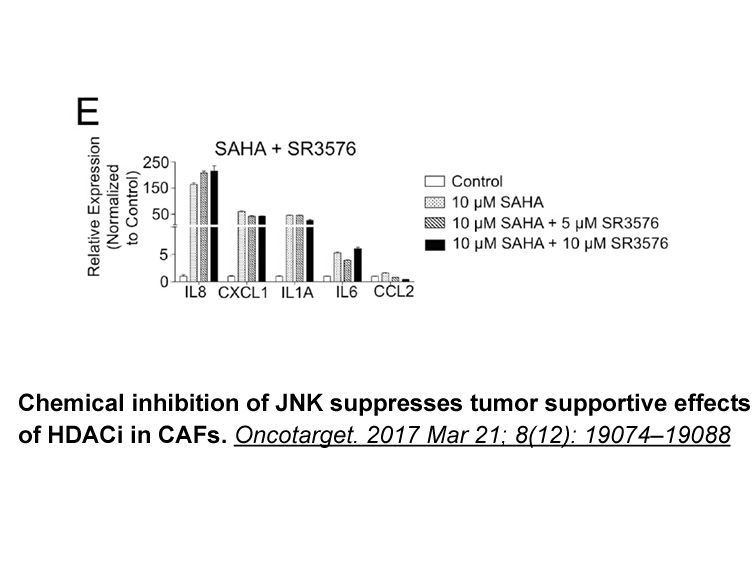
Acknowledgments Introduction Postmenopausal osteoporosis, which is primarily caused by Potassium Canrenoate deficiency, has been a worldwide health problem and threatens postmenopausal women of all races. An estimated 80% of osteoporosis patients in the United States are women, and approximat
8566 records 463/572 page Previous Next First page 上5页 461462463464465 下5页 Last page